
Home Maintenance
A Homeowner's Checklist for Preventing Water Damage in Sydney
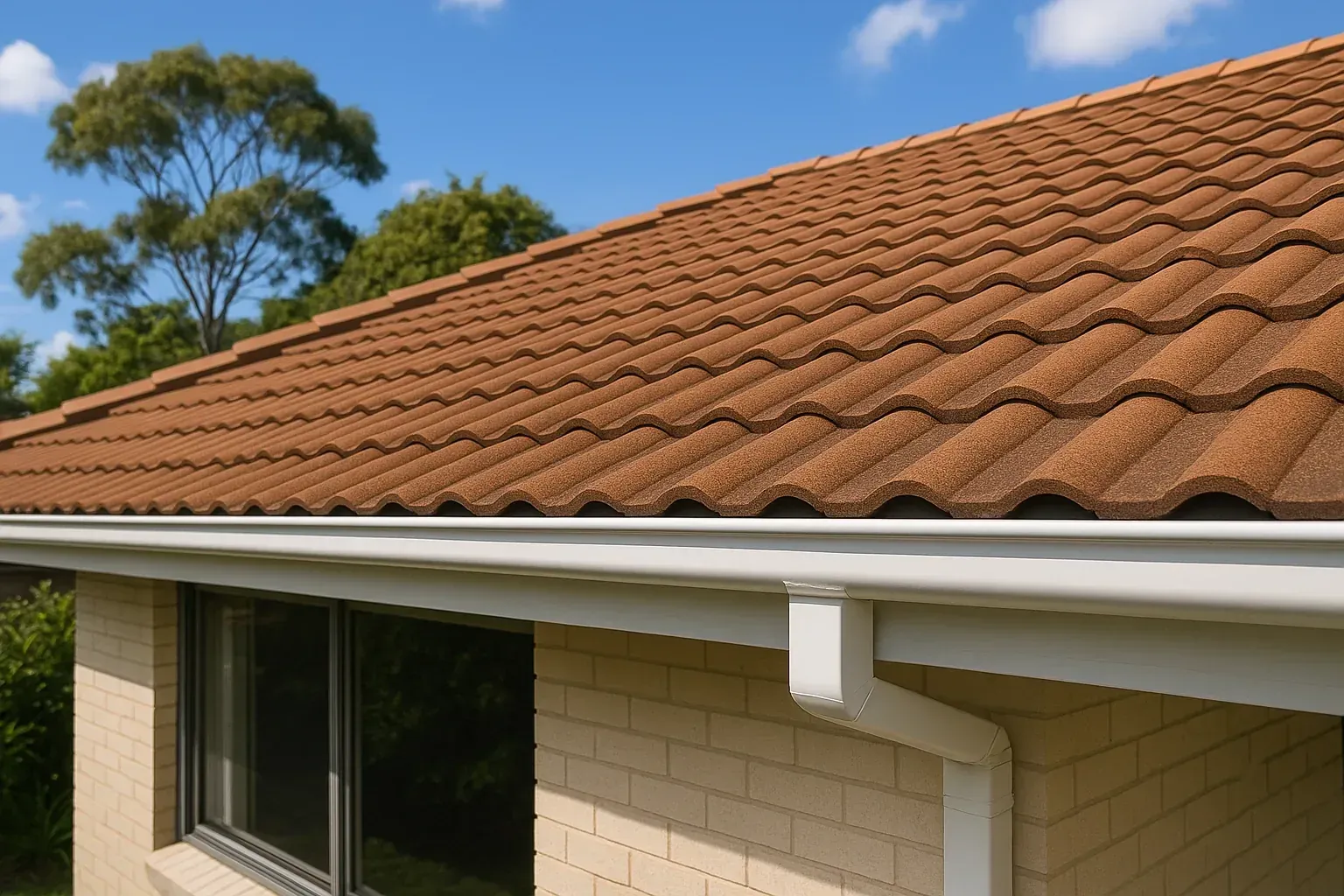
In Sydney, we're no strangers to unpredictable weather—from sudden, intense downpours to prolonged rainy seasons. While we can't control the forecast, we can certainly take proactive steps to protect our homes. Water damage is one of the most common and costly issues homeowners face, but the good news is that most of it is preventable.
Regular maintenance is your best defence. By spending a little time inspecting your property, you can catch small issues before they become catastrophic leaks or floods. Use this comprehensive checklist to safeguard your Sydney home, room by room.
Your Home's Exterior: The First Line of Defence
Your roof, gutters, and drainage are designed to channel water away from your property. Keeping them in top condition is critical.
Inside Your Home: The Hidden Dangers
Internal leaks from plumbing and appliances are a leading cause of water damage. Regular checks can save you from a nasty surprise.
Special Focus: Sydney Storm Season Prep
Before summer storms hit, it's vital to:
- Ensure your gutters are completely clear.
- Secure loose items in your garden or on your balcony that could become projectiles.
- Check that stormwater drains on your street are clear of debris.
- Have a plan in case of a power outage, which can affect sump pumps.
The Most Important Check of All: Know Your Shut-Off Valve
Every homeowner should know the location of their main water shut-off valve. In the event of a burst pipe, turning this valve off immediately can be the difference between a small puddle and a full-blown flood. It's usually located near the front of your property at the water meter, or sometimes where the water line enters your home.
Your task: Find it, and make sure it turns easily. If it's stuck, call a plumber to service it.
When Prevention Isn't Enough
Even with the best preparation, accidents can happen. If you're facing a leak or flood, Quick Cleaning's 24/7 emergency team is ready to respond immediately.